10 Affiliate Marketing Niches to Explore
Explore ten affiliate marketing niches, with practical article ideas, relevant products, and Pinterest Pin angles for each.
In this guide
A niche becomes useful when you can connect a particular reader with practical answers. The categories below are starting points, with a narrower audience, an article idea, and a Pinterest angle for each. They are not a ranking of earnings potential or a promise that a particular category will perform.
Think about what you could show on Pinterest in each niche: a useful setup, a product detail, or a project someone wants to try. You can use Amazon product URLs in Profit Pins to create Pinterest Pins around relevant products. Start with the audience you understand and give every Pin a useful destination.
1. Small-space living and organization
Help renters or apartment dwellers use limited space more comfortably. Narrow the topic to a recognizable setting, such as a shared bathroom or a kitchen without a pantry. Useful recommendations can involve storage, lighting, or compact furniture, but the measurements and layout advice should do most of the teaching.
Try an article called “How to organize a kitchen drawer that is only twelve inches wide.” A labeled layout makes a natural Pin. Include dimensions, installation requirements, and alternatives that reuse items the reader owns. Show scale clearly so a beautiful photograph does not create an unrealistic impression of what fits.
2. Everyday cooking in a practical kitchen
Choose a specific cook: someone preparing lunches for one, furnishing a first kitchen, or learning a basic technique. Equipment recommendations work best when attached to a task. Explain why a pan’s size or a container’s shape matters instead of assembling a long list of kitchen gadgets.
An article on setting up a small meal-prep station can support a Pin showing the workspace and finished containers. Offer substitutions for tools and avoid implying that equipment guarantees a particular result. If you share recipes, test them and explain quantities and timing. Readers need usable instructions before they need a shopping list.
3. Capsule wardrobes for a specific routine
Focus on a situation such as dressing for a casual office, packing a weekend bag, or creating outfits for a changing season. A small collection of coordinated clothing gives you opportunities to discuss fit, fabric, care, and how often someone will actually wear an item.
Write a guide to building five work outfits from a limited set of pieces, then show a clearly labeled outfit arrangement on Pinterest. Link readers to the full combinations and explain sizing limitations. Keep stock changes in mind: fashion articles need maintenance, and a useful outfit formula should still help when an exact item sells out.
4. Beginner crafts and creative hobbies
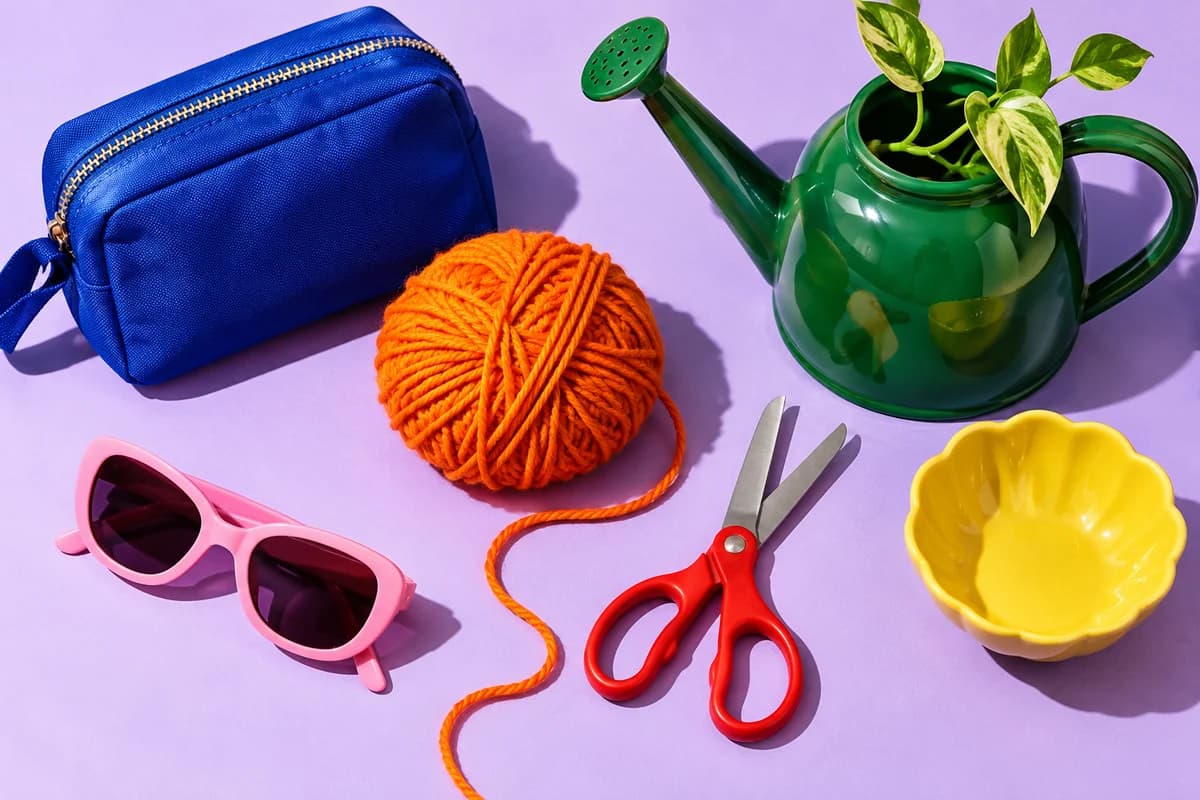
Choose one craft and a beginner project you can complete and document. Sewing, paper crafts, painting, and crochet all involve decisions about materials and tools. Your advantage is showing the process, including mistakes and adjustments, rather than only displaying a finished object.
A first-project supply guide can become a Pin featuring the actual materials beside the finished piece. Separate essential tools from optional upgrades. Use your own patterns or respect licensing conditions, and explain skill level and approximate effort. A project that works with modest supplies gives readers a low-pressure way to start.
5. Balcony and container gardening
Container gardening lets you answer questions about space, light, watering, and selecting appropriate equipment. Focus on conditions you can observe: a sunny balcony, a shaded windowsill, or a small patio. Climate and season affect the advice, so explain the setting behind your examples.
Try a guide to choosing containers for a small herb garden. A Pin can show the arrangement and the factors a beginner should check. Discuss drainage and weight before linking to pots or stands. Avoid guarantees about growth, and update seasonal suggestions so the article stays grounded in the reader’s actual environment.

6. Packing and travel organization
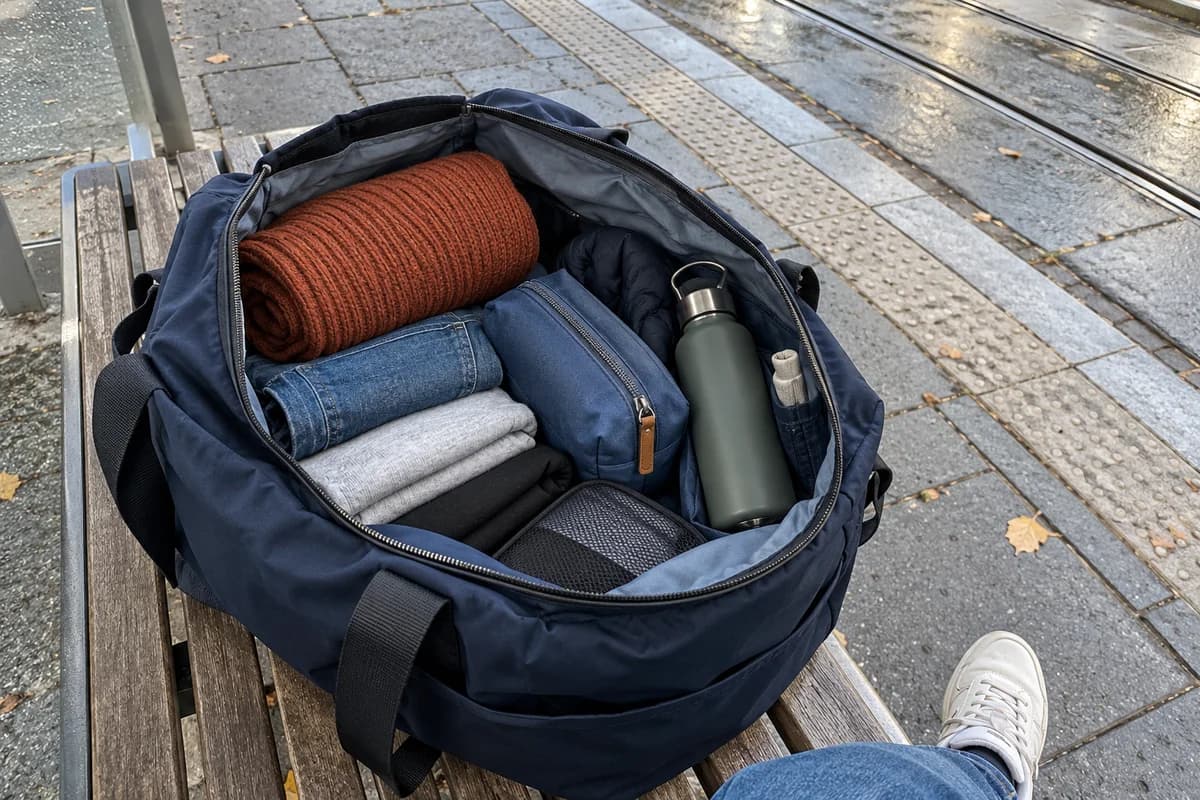
Help a particular traveler prepare for a particular kind of trip. Weekend carry-on packing, road-trip organization, and traveling with hobby equipment each create different constraints. Luggage measurements and tested packing examples are more useful than generic claims that a bag works for everyone.
Build an article around a three-day packing checklist and show a flat lay as the Pin. Explain weather assumptions and what can be left out. Check carrier requirements directly when discussing baggage limits, and date that information. Recommend organizational tools only when you can show the problem they solve.
7. Home office and desk organization
A desk setup topic can serve students, remote workers, or people fitting occasional work into a shared room. Discuss surface area, storage, cable routing, and how equipment fits together. Be specific about compatibility and avoid making unsupported health claims about furniture or accessories.
Write a compact-desk setup guide with measurements and a diagram. Use a Pin to highlight one practical improvement, such as keeping a small surface clear. Readers should understand what can be rearranged for free and what might require a purchase. The goal is a workable space rather than an expensive collection of matching objects.
8. Pet supplies for everyday routines
Focus on practical routines you understand, such as organizing walking supplies or cleaning washable accessories. Explain sizes, materials, and supervision needs when discussing products. Keep medical, dietary, and behavioral treatment advice outside your expertise; those questions need appropriately qualified guidance.
A guide to setting up a tidy entryway for dog walks can support an inviting Pin showing the station. Compare storage approaches and explain cleaning considerations. Do not claim a product is suitable for every animal. Personal observations are useful when clearly labeled, especially if you explain where your experience may not apply.
9. Digital tools for a creative workflow
Help a defined user complete a task, such as organizing design files or planning a small content calendar. Tutorials can make software recommendations concrete because readers can see what the tool does. Screenshots should reflect the current version and avoid exposing private information.
Try a walkthrough of a weekly content-planning routine. A Pin can preview the finished calendar or checklist. Compare the workflow with a simpler manual alternative, check current pricing directly, and distinguish necessary features from optional ones. Software changes frequently, so plan time to revisit instructions and supported integrations.
10. Seasonal hosting and thoughtful gifting
Choose a reader with a clear event and budget: a small dinner gathering, a casual outdoor celebration, or practical gifts for a particular hobby. Planning guides can combine checklists, reusable supplies, and optional decorative ideas without reducing the article to a catalog.
Show a simple table arrangement in a Pin and link to a guide explaining quantities, space, and substitutions. Prepare content ahead of the event and revisit it when availability changes. Treat seasonal demand as something to research, not a guaranteed traffic spike. Start with one niche, test your ability to help, and let real questions guide the next article.
Bring your niche to Pinterest with Profit Pins
Choose one of these niches and one product that fits its reader. With Profit Pins, you can paste an Amazon product URL and create Pinterest Pins around a practical angle: organizing a small kitchen, choosing a beginner craft tool, or preparing a weekend bag.
Use your Pinterest headline to introduce the helpful detail, then review the image and destination in Profit Pins. Link to the relevant article when readers need the full explanation, or use an affiliate destination your program permits. Build a recognizable Pinterest collection around the same audience before expanding into another niche.
Keep exploring: How to Choose Your Affiliate Marketing Niche
Written by Profit Pins Team